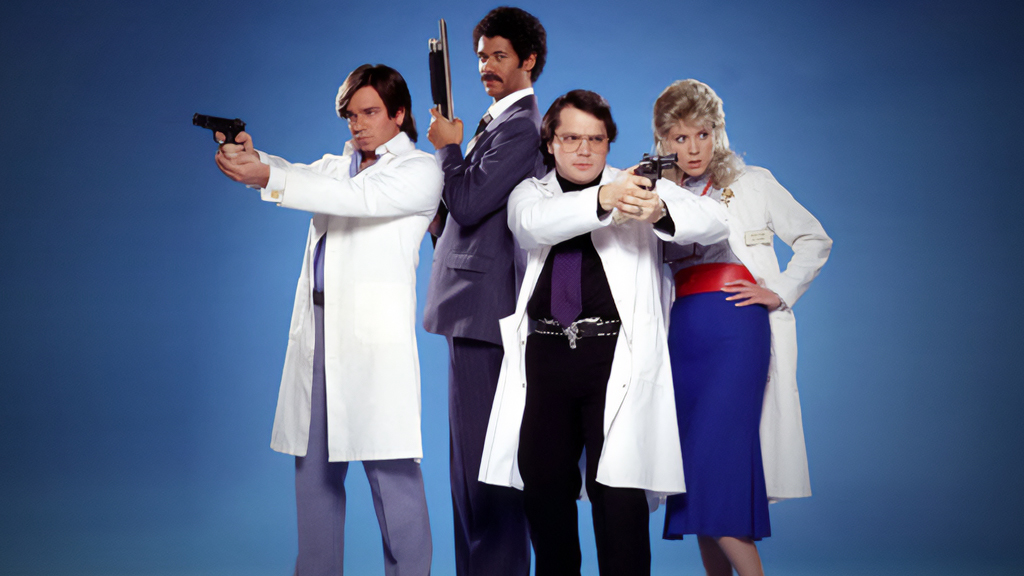
A spoof of bad 80’s TV dramas, Garth Marenghi’s Darkplace presents itself as a lost, low-budget show now getting its first modern-day screening. Each episode features Dr. Rick Dagless, M.D., fighting the forces of evil that haunt Darkplace Hospital. Episode three “Skipper The Eye Child” carries an important message for product managers haunted by bad product strategy.
< SPOILER WARNING >
We’re going to reveal key plot points from “Skipper The Eye Child” as we explore ways product managers can combat bad product strategy. And we’ll do it all in 10 screencaps or less (something we have not done in, literally, 10 years). You have been warned!
< / SPOILER WARNING >
The episode begins with Dr. Rick Dagless ruminating about his deceased son, saying, “He was born half-human, half-grasshopper. He didn’t stand a chance…” The hospital intercom interrupts his brooding.
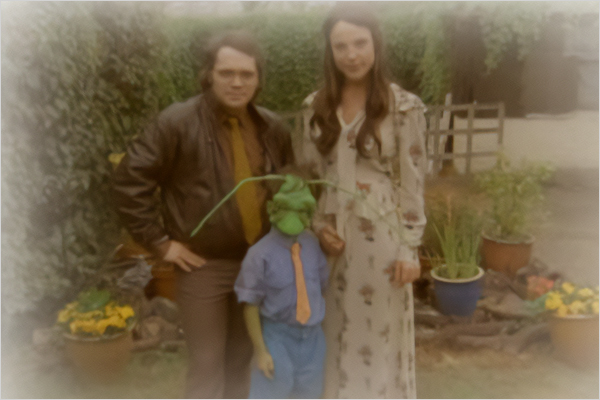
Dagless and a security officer answer the call and find a giant mutant eye sexually assaulting a male patient. Dagless shoots the creature, but not before it somehow impregnates the male patient, who quickly gives birth to an eye child.
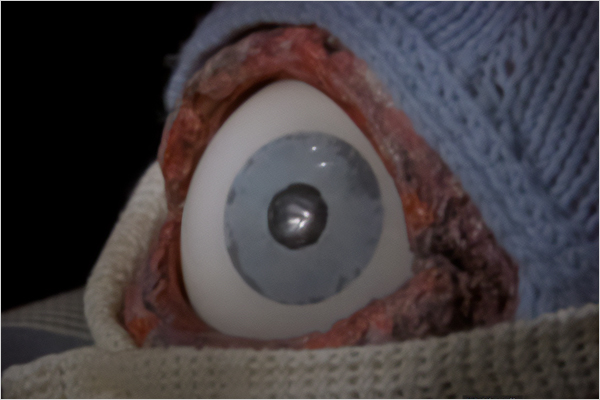
Inspired by memories of his own mutant son, Dagless takes the eye child into his own care to protect it from hospital officials who will want to study and potentially harm it.
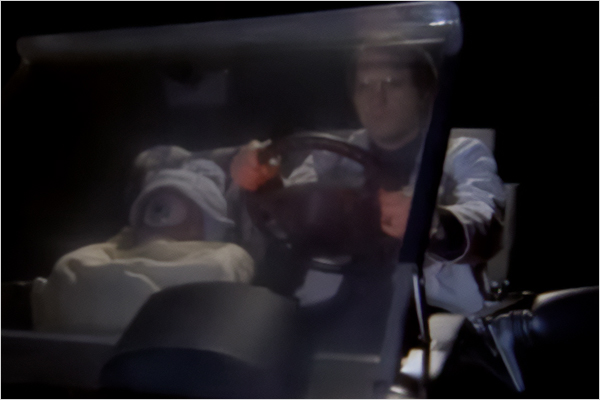
Reports of the missing eye child spread throughout the hospital. Thornton Reed, the hospital administrator, suspects Dagless may be behind its disappearance. Dagless flatly denies any involvement.
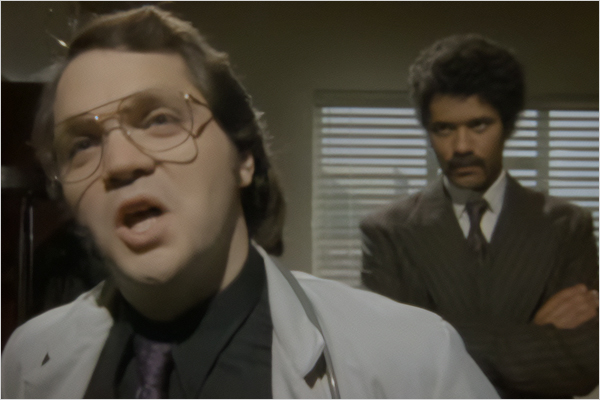
With suspicions mounting… primarily because Dagless is seen skulking around the hospital carrying the eye child… Dagless pops into the break room to hide the creature in a locker and collect his thoughts.
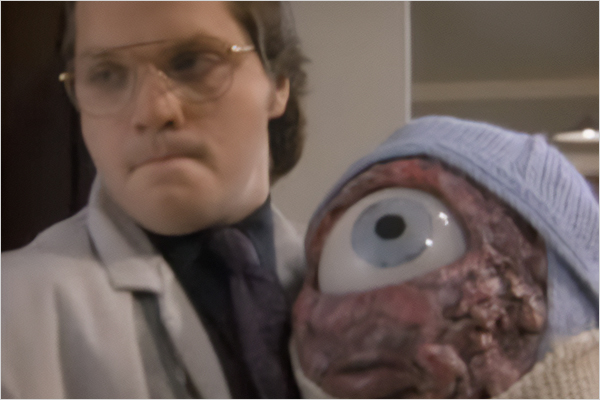
Dr. Liz Asher, who is a touch psychic, makes small talk with Dagless in the break room in an attempt to read his thoughts and determine his guilt or innocence. Dalgess reads a novel to obfuscate his thoughts from his telepathic coworker. But he slips up and she brings her suspicions to Reed and Dagless’ best friend, Dr. Lucian Sanchez.
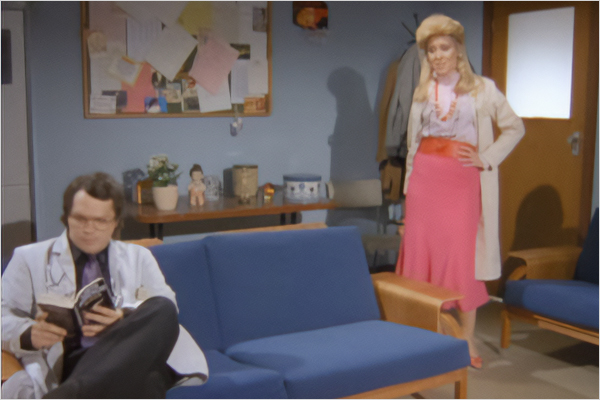
Meanwhile, Dagless escapes with the eye child to the roof, where he names the creature Skipper, after his own deceased mutant son.
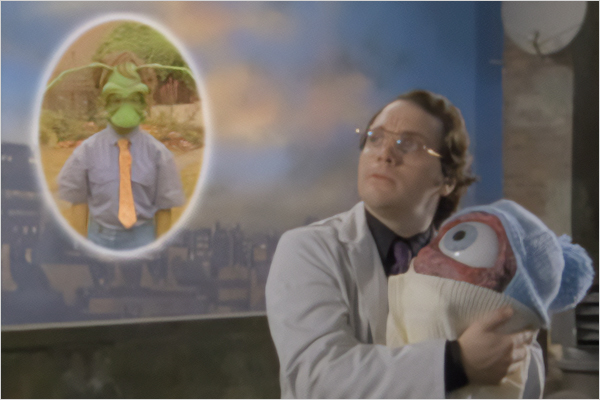
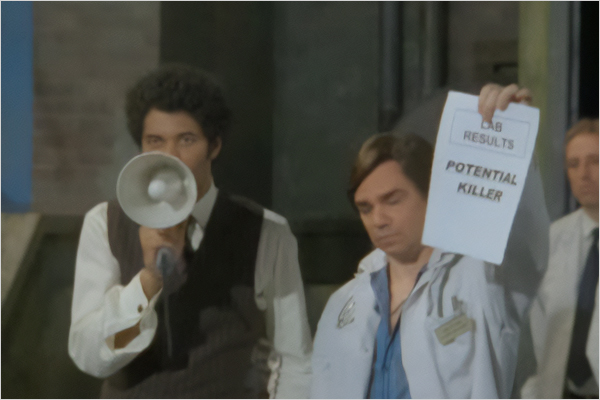
The hospital staff corner Dagless on the roof. Sanchez presents lab results to try to convince his friend to hand over the creature. But a sudden vision of his co-workers experimenting on Skipper drives Dagless into a fighting frenzy. Many people get hurt.
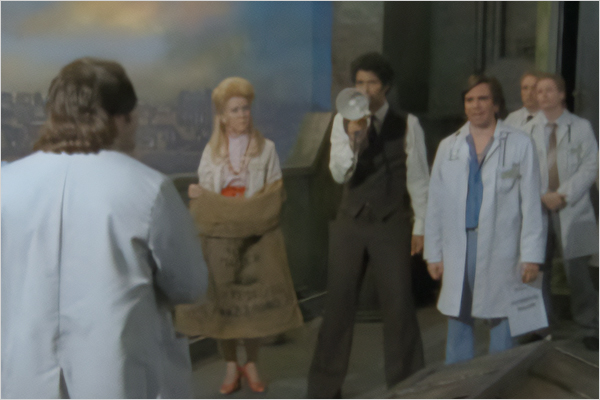
Unfortunately, the lab results prove correct: Skipper is dangerous. It attacks Dagless and, in self-defense, he kills the creature.
Later, Dagless and his friends mourn the day. Dagless realizes his mistake: Nothing could ever take the place of his real son. Not the eye child. Not even a Jack Russel, despite them being very clever dogs.
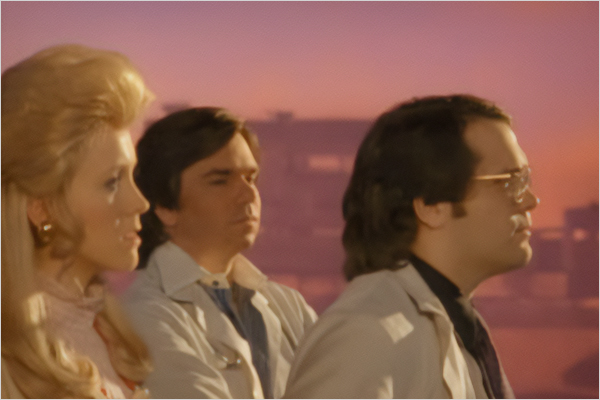
Is Your Product Strategy Actually An Eye Child?
Dagless doesn’t love Skipper for what it is. He loves it because it stands in for the son he lost. That substitution is what drives the whole episode: the lies, the hiding in lockers, and the brawl on the roof.
Product managers can sometimes make the same substitution. We lose sight of the outcome we actually care about, such as customers getting value and the business growing, and we attach to something easier to hold like features shipped or story points burned. These numbers are signs of progress, but they’re not business outcomes.
Dagless assumes Skipper is harmless without ever checking. We’re doing the same thing if we’re not checking whether customers actually needed those features, or needed them more than other items on the backlog.
Identifying Bad Strategy
Dagless wakes up to his mistake when Skipper attacks him. At work, you probably won’t get bitten by a giant eyeball. The warning signs of a bad strategy are subtler, but they show up in its effects:
- Are you adding new customers?
- Are customers using your new features?
- How are customers rating your product?
Disappointing results are a signal to investigate. Are customers struggling to use the solution, or does the solution fail to address a problem they care about? The first points toward execution; the second calls the strategy into question.
Fixing Bad Strategy
Sometimes we’re like Dagless, clutching a strategy we’ve become too attached to. Other times, we’re Sanchez, standing on the roof with the lab results. Either way, evidence matters. Dagless needs to look at the results before Skipper bites. Sanchez needs results worth looking at, because a hunch in a lab coat won’t talk anyone down from a roof.
Here’s how to build that evidence:
- Talk to your users and buyers. Find out which problems they struggle with most and where your product could help.
- Segment your customers into groups with similar needs based on what you learn.
- Evaluate the segment best suited to your business.
- Assess that segment’s most compelling problems: the ones with the best ROI, given what customers will pay and what your business is uniquely able to deliver.
To shift from the old strategy to the new, you’ll need to present evidence to your stakeholders that explains why a change is needed and supports your proposed direction. Be clear about what you’ve learned, what remains uncertain, and how you’ll test the new approach.
Keep focused on the facts, and you’ll find your eye-deal approach.
Bonus Content
Watch the “Best of Garth Marenghi’s Darkplace” with stars Matthew Holness, Richard Ayoade, and Matt Berry:

New Around Here?
- Connect with me on LinkedIn
- Follow me on Twitter to share your musical thoughts and PM insights
- Join the product management community on Gartner Peer Insights
- Schedule time with me to talk product