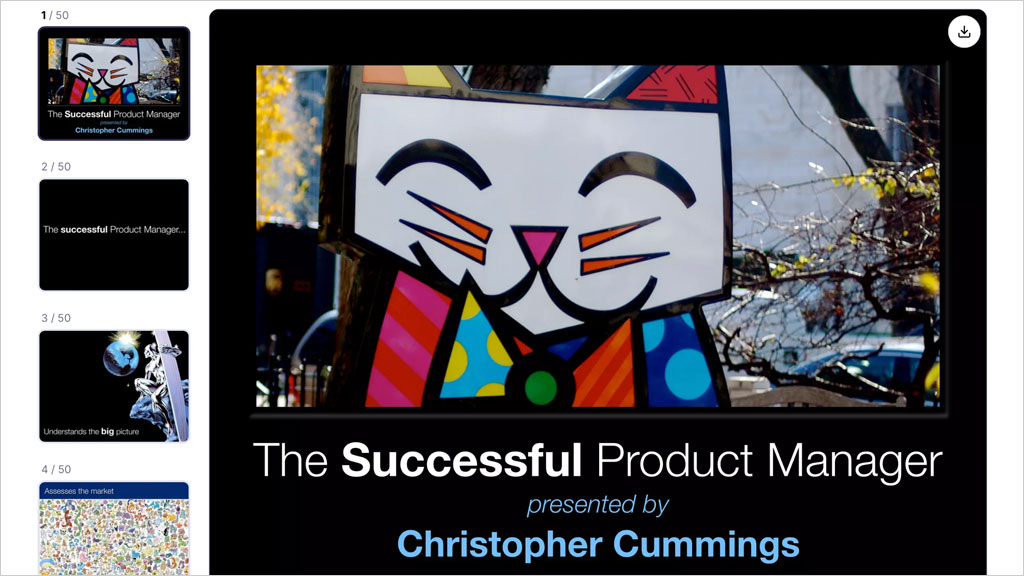
Back in 2009, I posted a presentation to SlideShare called The Successful Product Manager. The cover set up the premise, “The successful product manager…”, and each of the 50 slides that followed completed the sentence. As usual around here, my points were punctuated with Batman, Wolverine, Pokémon, Jaws, Doctor Who, Godzilla, Optimus Prime, Rocky, and many other pop culture references.
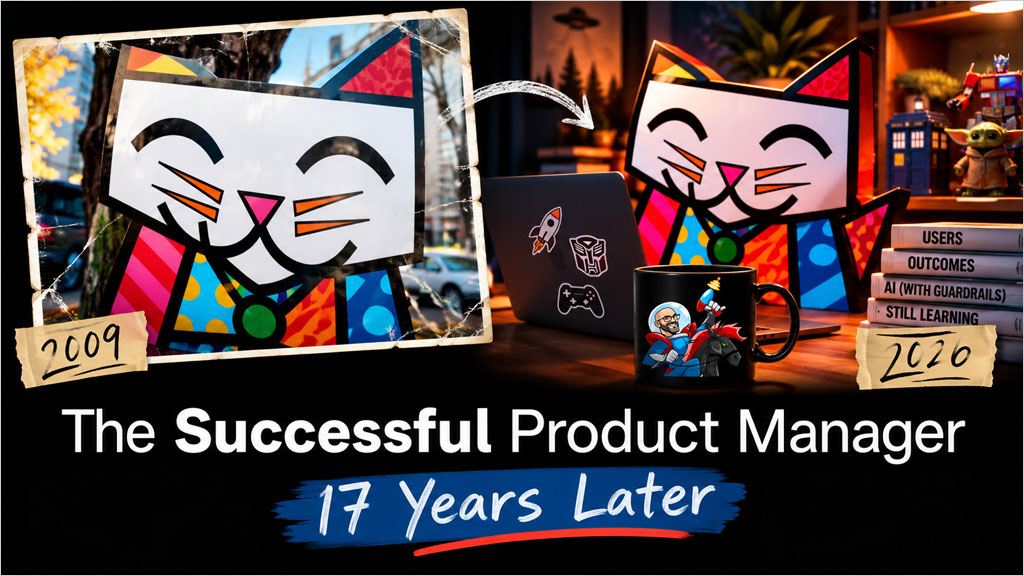
I recently rediscovered the presentation and had two immediate thoughts:
- Wow, SlideShare is still around.
- I wonder how much of this presentation I still agree with?
Seventeen years is a long time in product management. The tools have changed. The terminology has changed. Entire methodologies have come and gone. We can do things with AI today that would have seemed like science fiction when I made these slides.
So how much does current me agree with 2009 me?
Let’s find out.
What I Still Agree With
Early in the presentation, I argued that successful product managers understand the big picture, assess the market, and “get inside customers’ heads.”
I’d probably use different language today. We talk a lot more about continuous discovery, customer evidence, desired outcomes, product strategy, jobs to be done, and any number of frameworks that help us understand customers and markets.
But underneath all of that is the same basic idea: understand who you’re building for and why it matters before deciding what to build. Or, as 2009 me put it: “Understands the problem…before proposing the solution.”
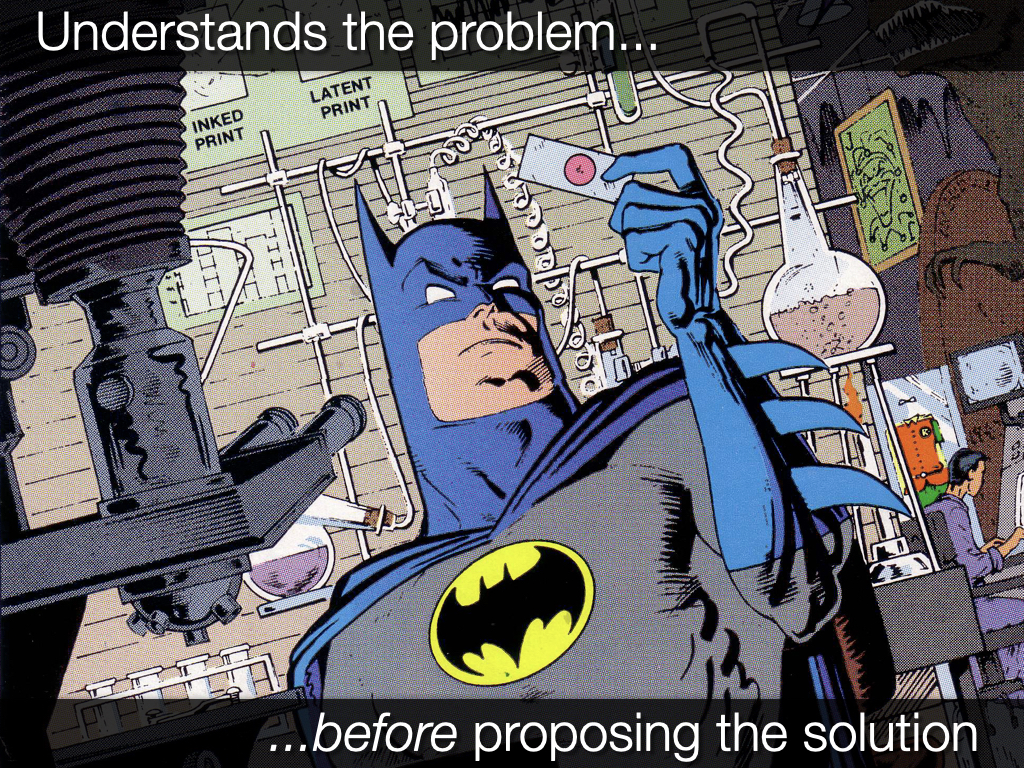
If anything, that feels more important today. We have technology that makes it easier than ever to start with “Look what we can do!” and then go hunting for someone, somewhere to use it. We need to deeply understand the problem first.
The very next slide contains a phrase I still love: “Rejects product narcissism.”
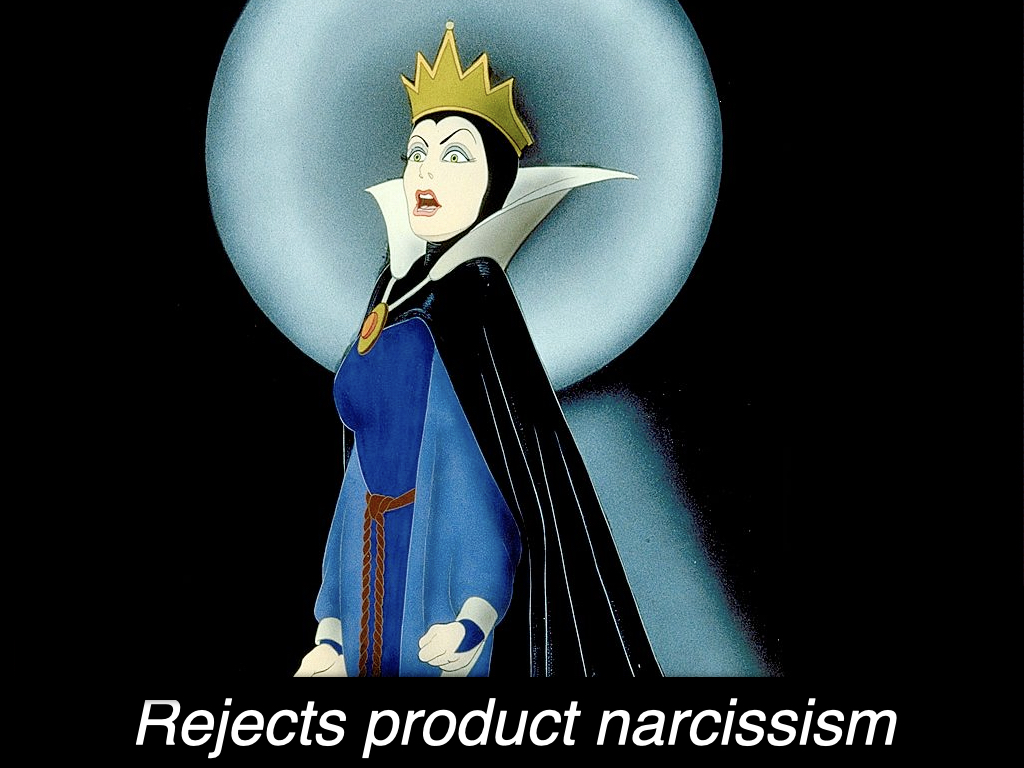
I’d coined “product narcissism” a couple of months earlier in “Product Managers: Can You Reject Product Narcissism?” to describe what happens when we become so enamored with our own products – and our own assumptions! – that we lose sight of the people we’re supposedly building them for. The cure I suggested back then was pretty straightforward: get out of your own head and into your customers’ heads.
I still believe that. And in some ways, we’re better equipped to do it. We have vastly better analytics, prototyping tools, experimentation platforms, and research tools. We can collect more evidence faster.
But even so, product managers can still fall in love with their ideas. Teams can still rationalize poor experiences because they understand why the product works the way it does. And we can still blame customers for not understanding something that made perfect sense to everyone who built it. Seventeen years later, I still think product narcissism is worth rejecting.
There’s plenty more I’d keep: making hard choices, taking calculated risks, balancing competing interests, giving thanks, learning from mistakes, leading, empowering, managing conflict, analyzing wins and losses, and maintaining a sense of humor.
But two slides in particular stand out to me now.
First, “Searches for truth.”
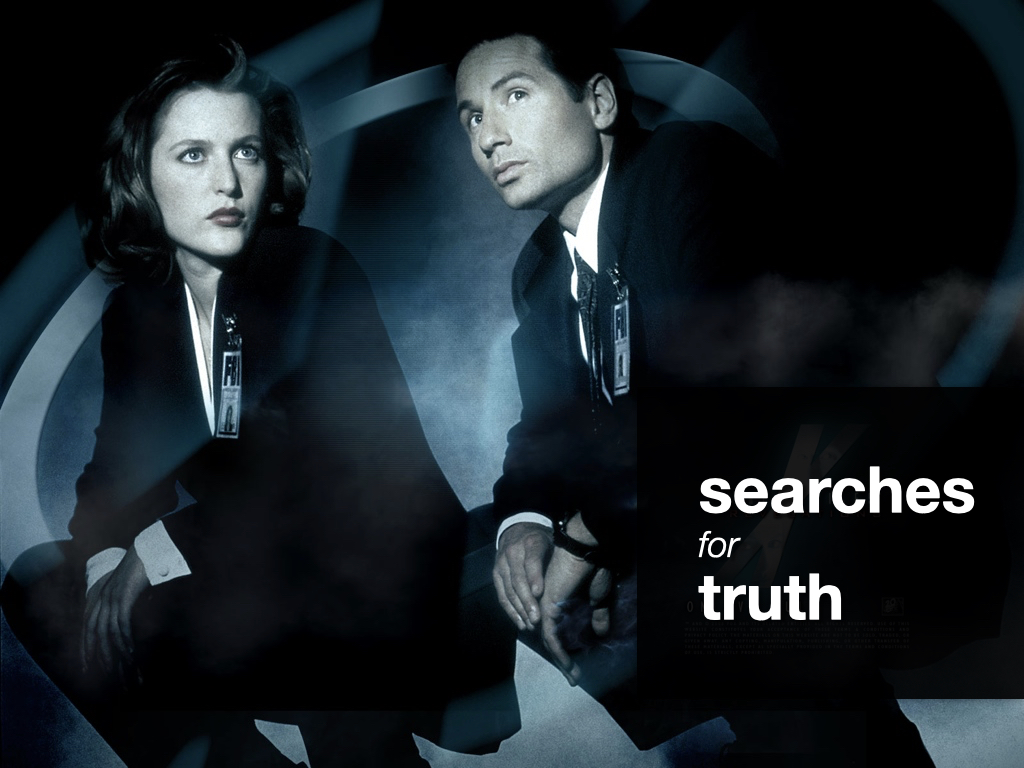
Product managers spend a lot of time surrounded by assertions:
- Customers want this.
- Sales needs this.
- Nobody uses that.
- This will increase revenue.
- Our competitor has it.
- AI will solve it.
Maybe. But what evidence do we actually have? And why does it matter to what we’re trying to accomplish?
New technologies make it easier to build the wrong thing faster, which makes searching for truth even more important today. That doesn’t mean waiting for absolute certainty. It does mean gathering enough evidence to make a reasonable decision and move. And the amount of evidence we need should scale with the cost and consequences of being wrong.
And when actions are taken and things don’t pan out as expected? This gem still holds true:
“Holds people accountable. Self included.”
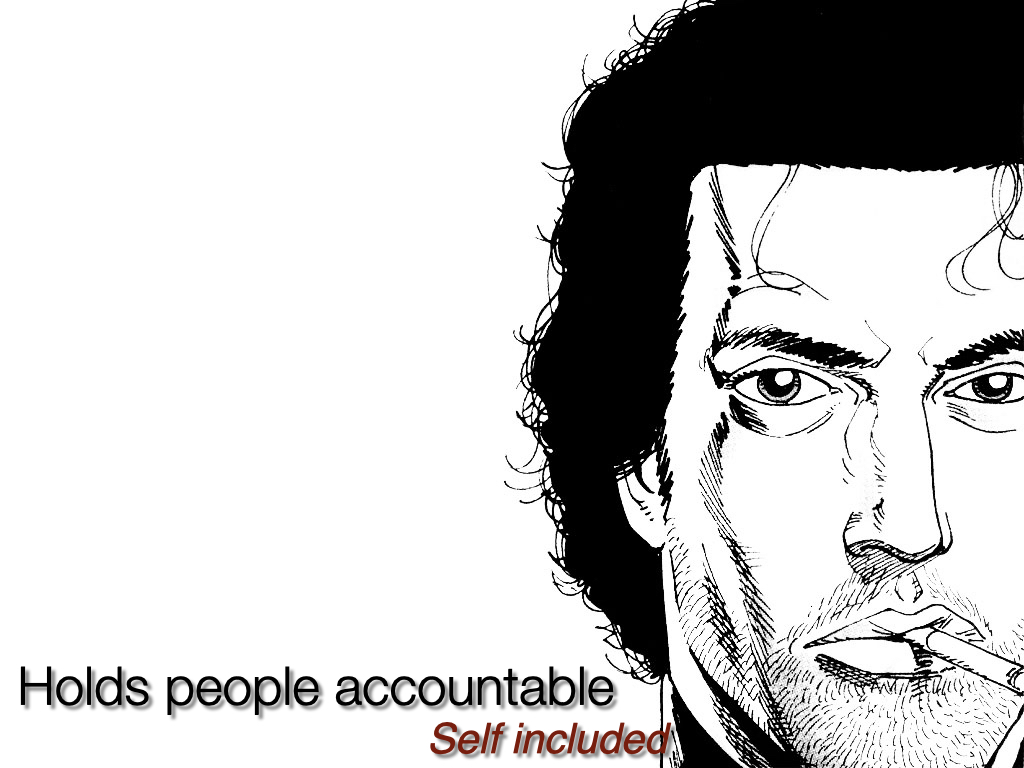
I wouldn’t change a word. Although I might change the image.
Today, I’d probably use Erwin Smith from Attack on Titan. He asks an extraordinary amount from the people he leads, but he also owns the consequences of the orders he gives.
In fact, since we’re revisiting the presentation anyway, let’s update that slide right now:

What I Would Clarify
Then there are the slides where I still agree with the basic premise, but 17 more years of experience have added some asterisks. Let’s start with these two:
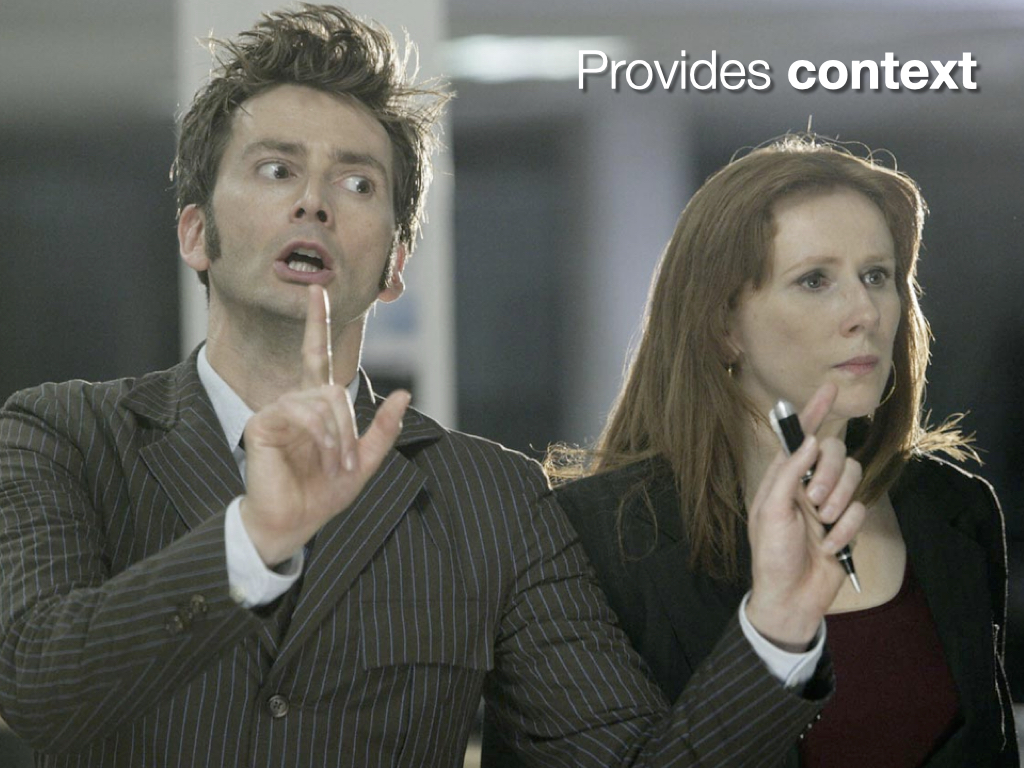
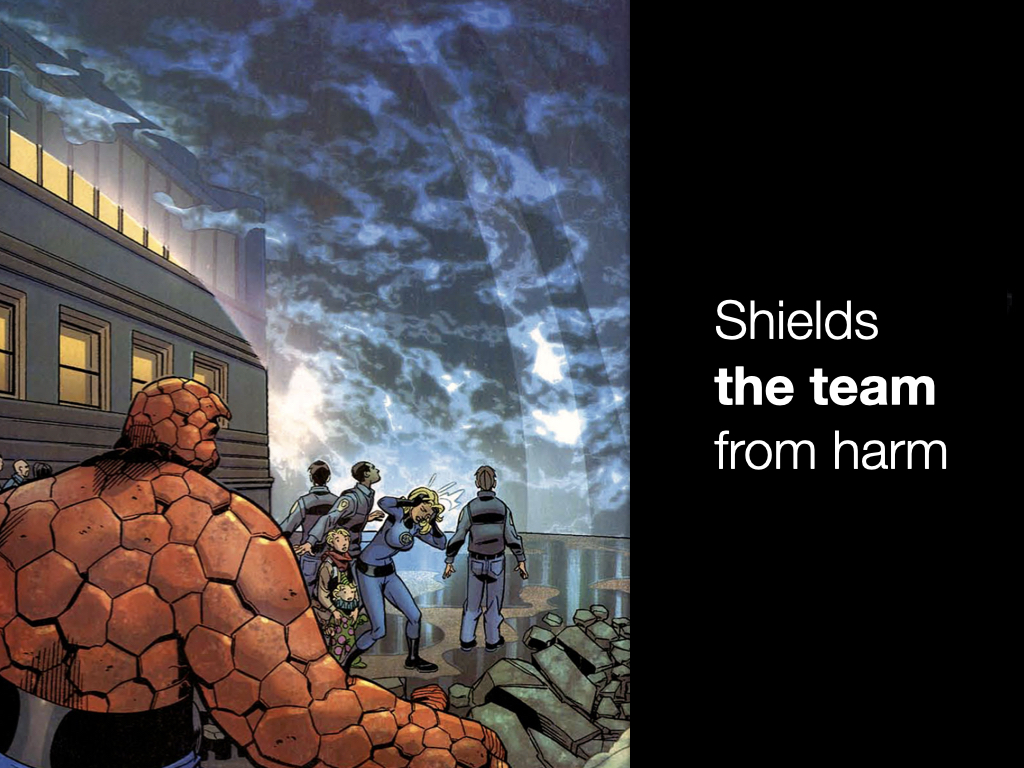
In 2009, when I wrote “Provides context” and “Shields the team from harm,” I was thinking about how a product manager leads cross-functionally. Now that I manage other product managers, those phrases mean more to me.
Give the team business context, constraints, and a clear understanding of what we’re trying to accomplish. Shield them from organizational noise, pointless interruptions, and blame games. But I can’t — and shouldn’t — shield them from reality. They need to understand business pressures and tradeoffs, and sometimes hear uncomfortable feedback.
In 2026, “provides context” has taken on another meaning, too. As AI takes on more of the software development lifecycle, agents need context just as much as people do. An agent can write code or analyze requirements remarkably quickly, but it still needs to deeply and accurately understand the problem, the customer, and the constraints.
Whether you’re leading people or directing agents, context is what gives smart teammates room to make smart decisions.
Another pair of slides I’d clarify: “Relies on knowledge and experience…but trusts their gut.”
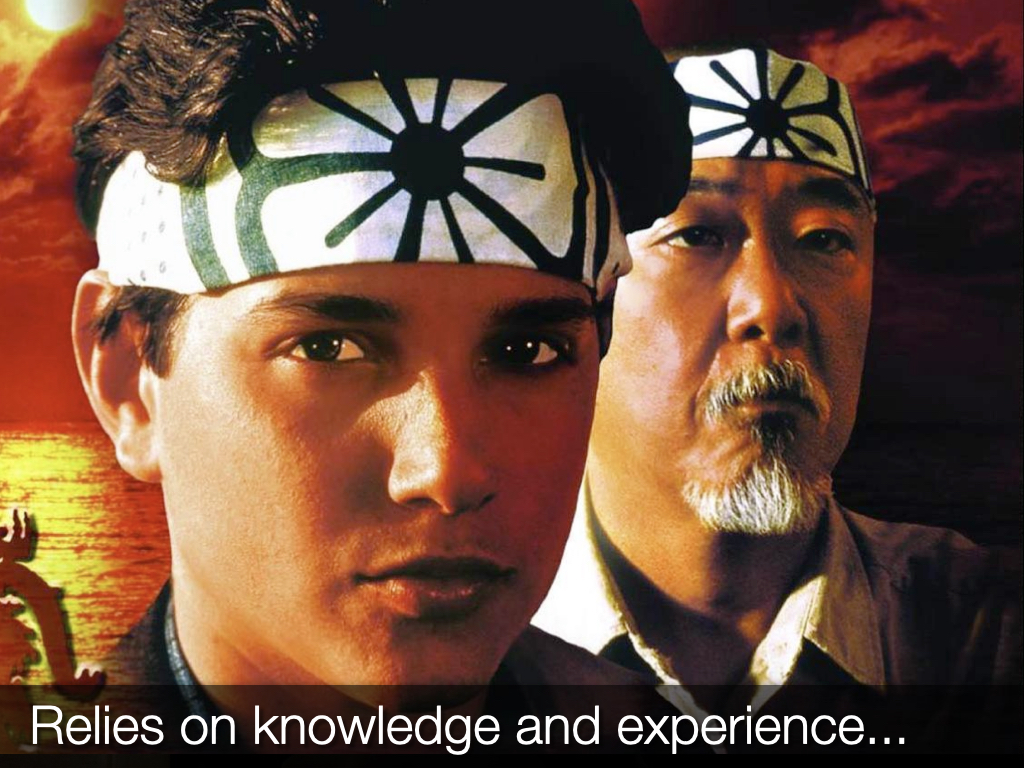
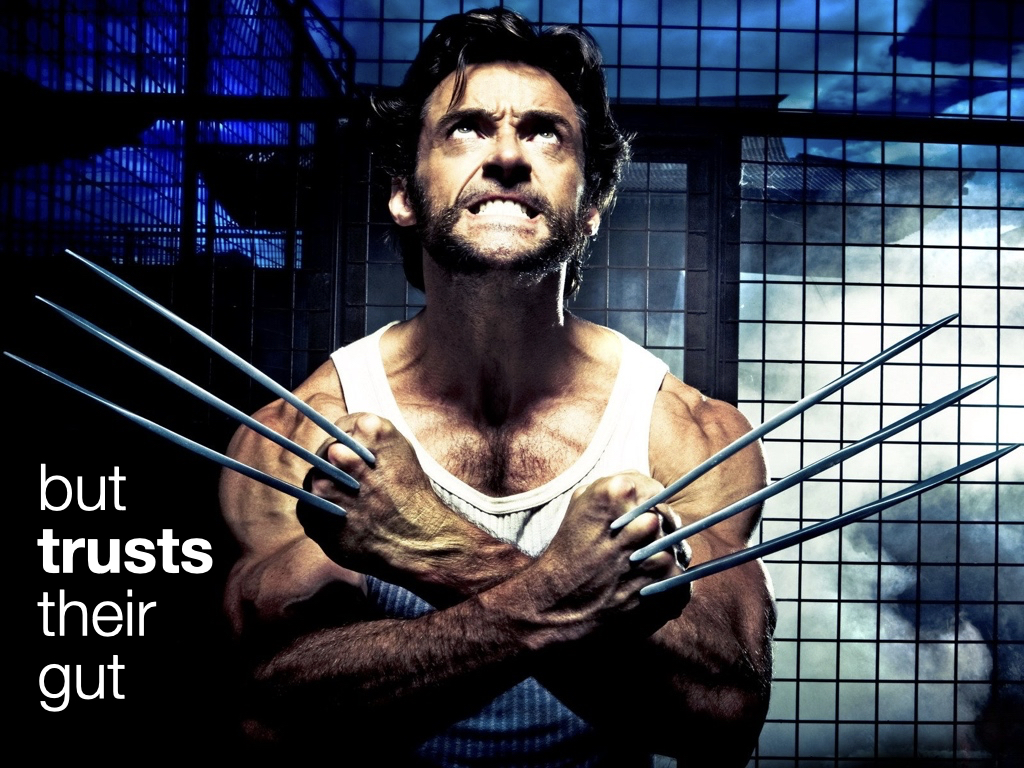
Experience builds pattern recognition. Sometimes something feels wrong before you can explain exactly why. That’s useful. But experience also creates assumptions.
In 2009: Trust your gut.
In 2026: Listen to your gut. Then figure out why it’s talking to you.
And while we’re updating slides, Jujutsu Kaisen’s Aoi Todo feels like a better choice here. He trusts his instincts in a fight. But then immediately starts figuring out what those instincts are telling him. So…

Then there’s success.
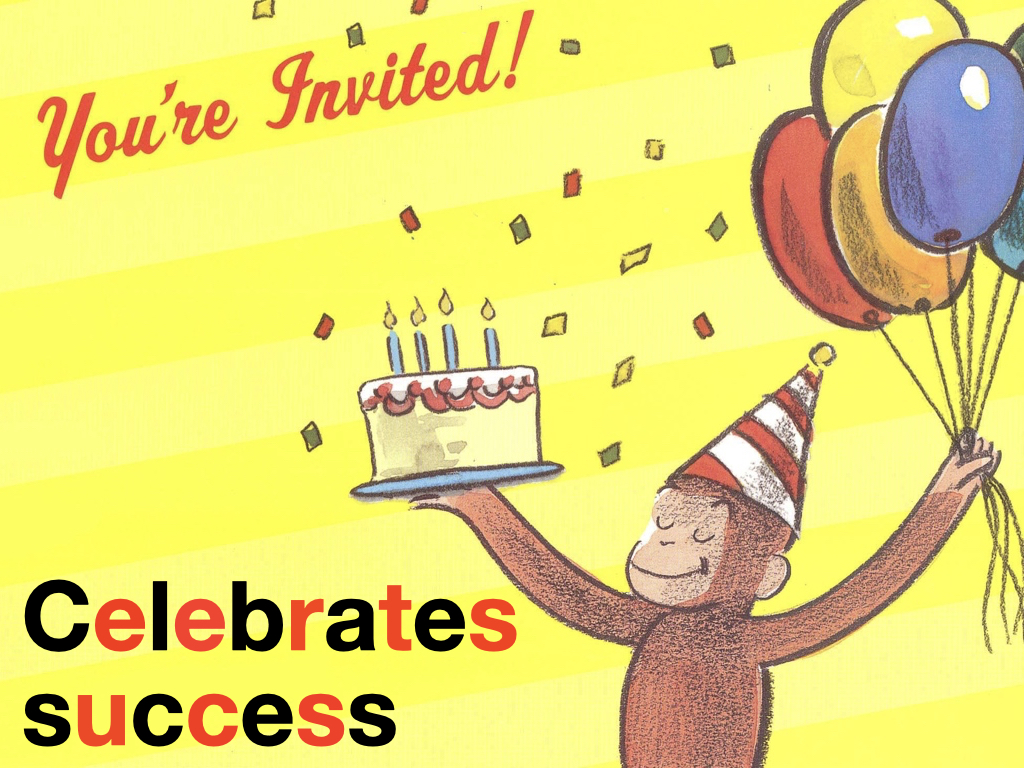
Someone in the comments challenged the idea of “Celebrates success” back in 2009. What exactly are we celebrating? Shipping the product? Or achieving the business result?
My answer then was essentially: both, but differently.
I still think that’s right.
Shipping something difficult is worth recognizing. People worked hard. Something that didn’t exist now exists.
But shipping isn’t proof that we succeeded.
Did customers use it? Did it solve the problem? Did they buy it? Did it produce the outcome we expected?
So my 2026 version would be:
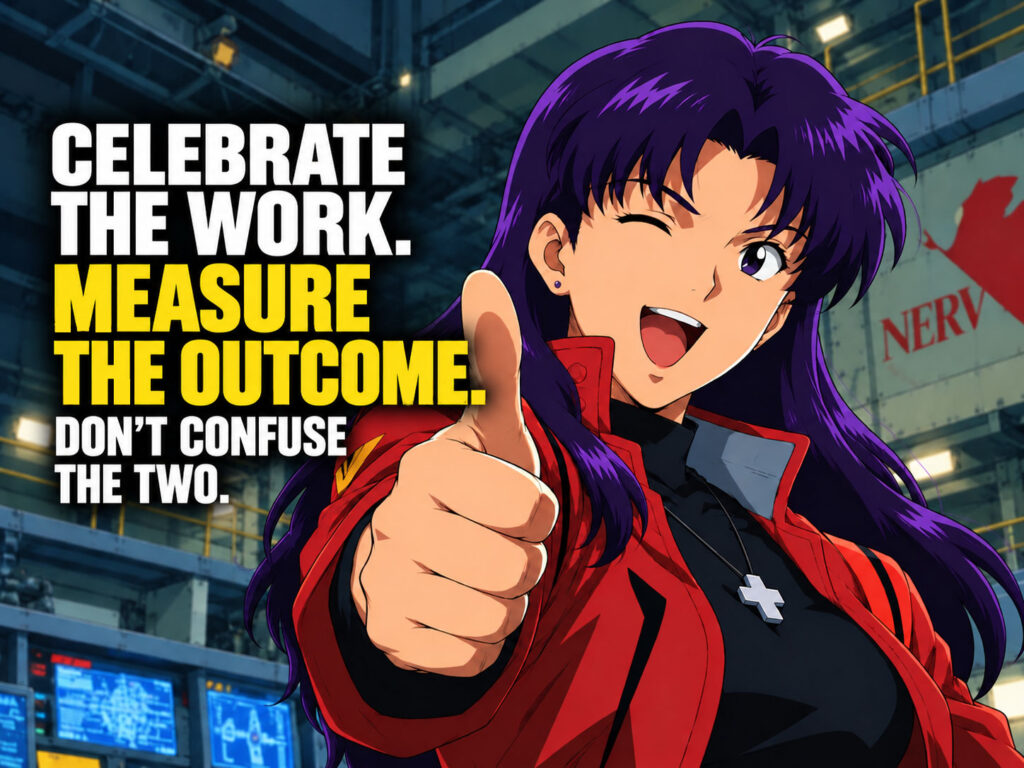
Celebrate the work. Measure the outcome. Don’t confuse the two.
For the updated slide, I’d go with Misato Katsuragi from Neon Genesis Evangelion. She’s relentlessly focused on whether the mission succeeds, but ready to celebrate the crew who made it happen.
Finally, I’d put an asterisk next to “Tells a compelling story.”

Product managers need to persuade people. We need to tell stories. We need to understand how decisions actually get made inside organizations.
But the story can’t outrun the facts.
So my 2026 version:
Tell a compelling story. But make sure it’s true.

And Lois Lane seems like the obvious choice here.
What I Would Change
And now, we take 2009 Chris out to the woodshed.
First up: “Manages the backlog.”
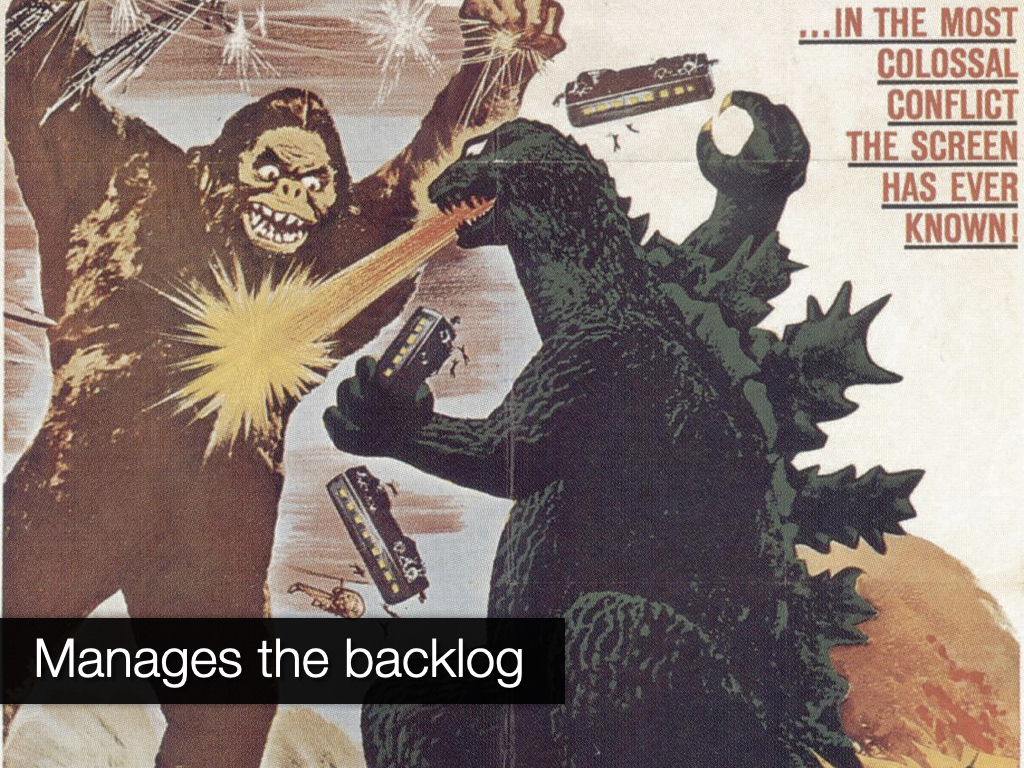
Obviously, somebody needs to manage the backlog. But I wouldn’t put backlog management on a list that defines a successful product manager today.
You can have a beautifully groomed backlog and still build the wrong product.
So the 2026 version would be:
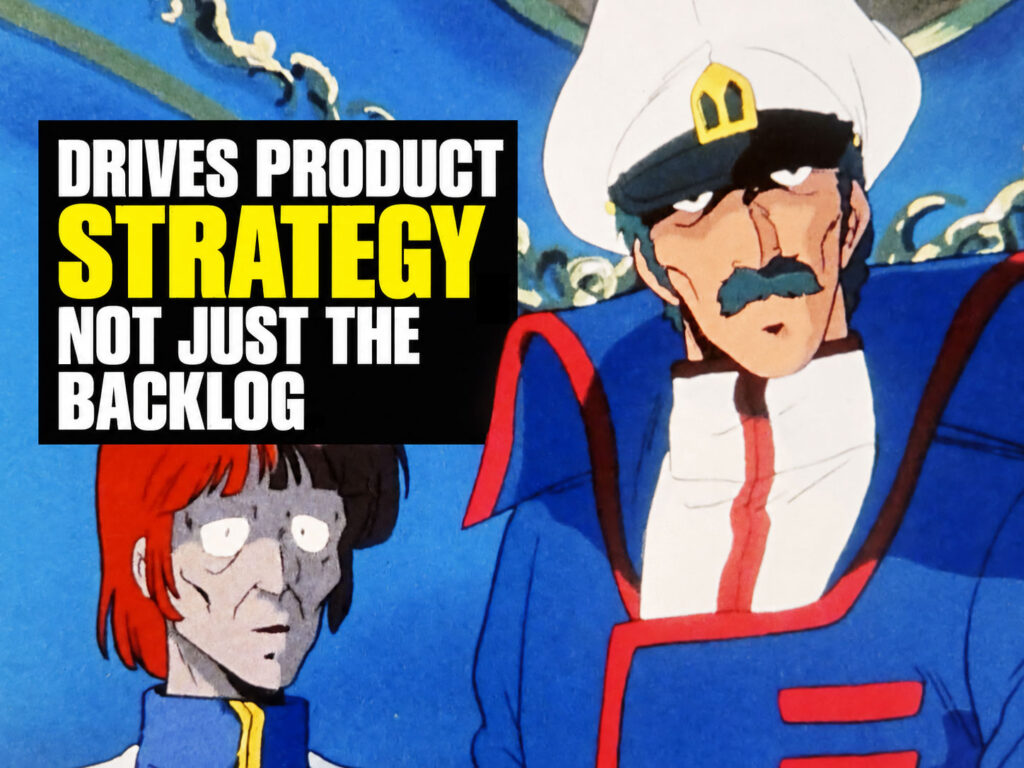
Drives product strategy, not just the backlog.
For the update, I’d pick Captain Gloval from Robotech: The Macross Saga, who stops fighting the alien Zentraedi one battle at a time and pursues an alliance that changes the entire course of the war.
And then there’s this: “Doesn’t give up.”
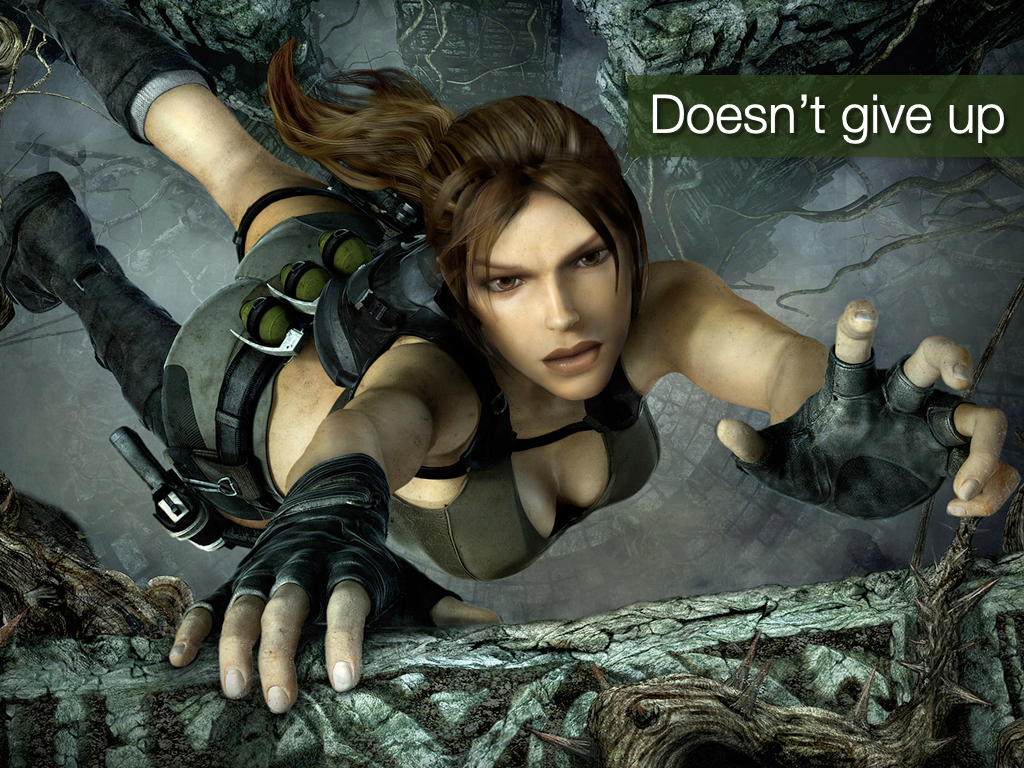
Saying I was wrong here stings a little because I am a persistent optimist. But there’s enough ambiguity in this slide that it needs a makeover.
Sometimes “giving up” is exactly what a successful product manager should do.
Kill the feature nobody uses. Stop the experiment when the hypothesis doesn’t hold up. Walk away from an initiative whose economics no longer make sense.
In 2026, that one would be:
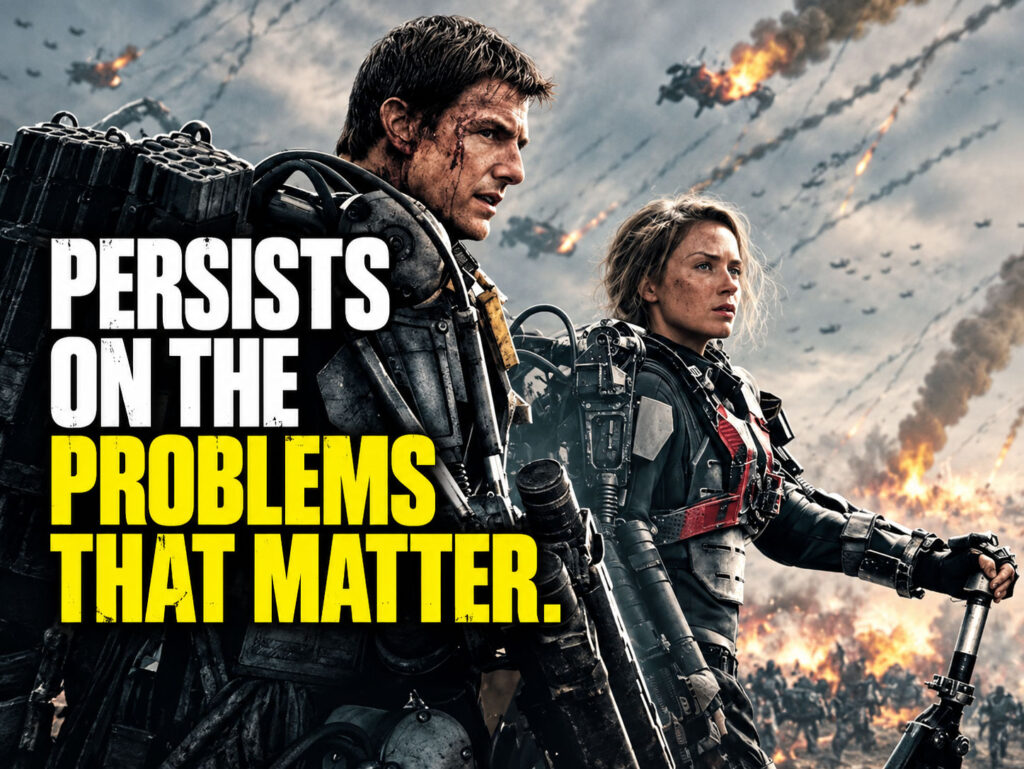
“Persist on the problems that matter.”
Here, I’d use Cage and Rita from Edge of Tomorrow who relive the same battles in a time loop and abandon every approach that fails, but never abandon the ultimate goal of destroying the Omega and ending the war.
Apparently, My “Otaku Power” Was Off The Charts
While revisiting the presentation, I discovered a Korean blog had commented on it a couple of years after I published it.
I ran the post through Claude for a translation, and the blogger had nice things to say about the presentation, especially the way the images worked with the ideas.
One line stood out:
“You can tell the author’s otaku power is off the charts.”
Guilty as charged.
If I made The Successful Product Manager today, it wouldn’t be exactly the same presentation. I’d talk more about discovery, outcomes, strategy, evidence, experimentation, commercial impact, and probably AI. And I’d obviously keep Optimus Prime in it. Because the successful product manager has the touch.
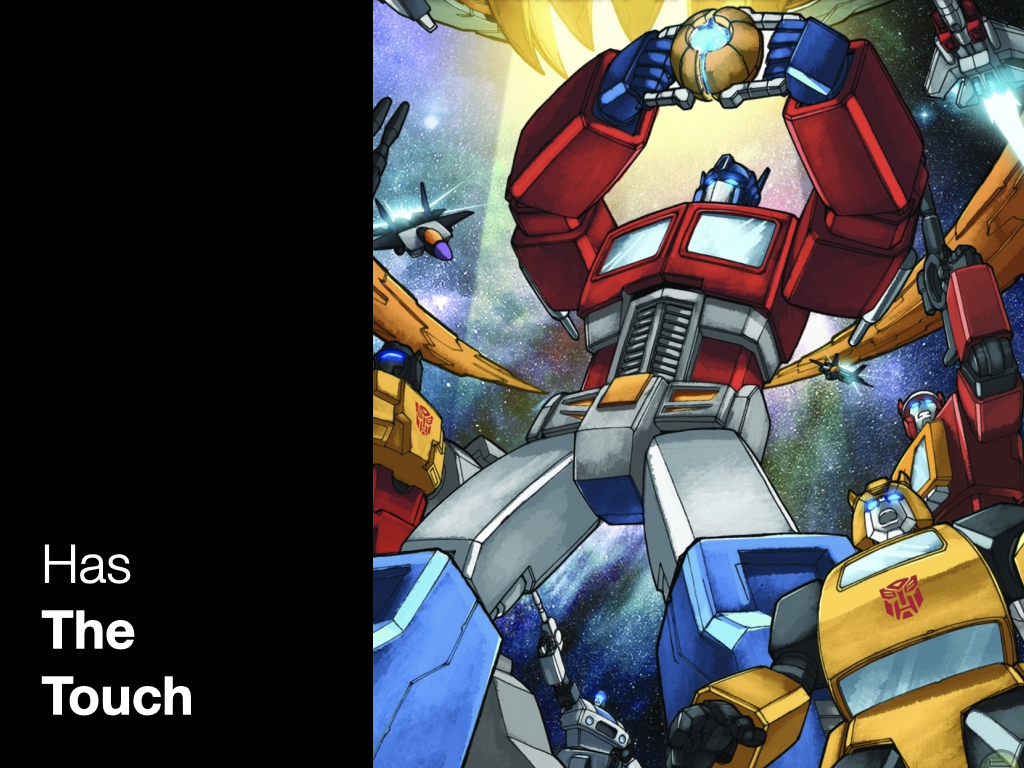
Readers today really love bullet points. So if I had to boil those 50 slides down to 12 key ideas, I’d says the successful modern product manager:
- Knows their customer
- Understands the problem before proposing the solution
- Doesn’t fall in love with their own product
- Makes hard choices
- Takes calculated risks
- Gives key stakeholders context
- Tells the truth
- Gives people credit
- Learns from wins and losses
- Understands the business
- Keeps looking toward the future
- Maintains their sense of humor
And on that note, I’ll end this reflection the same way I ended the original presentation in 2009: with one of the final images from Comico’s Robotech: The Macross Saga #36.
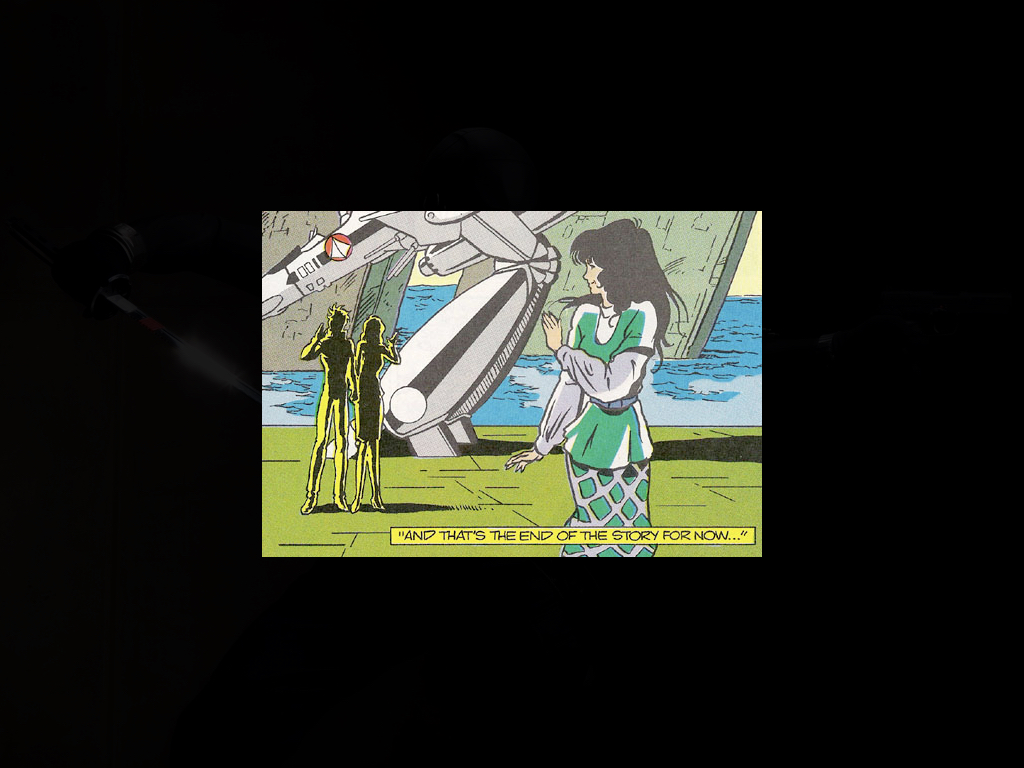
Because I need to keep that otaku power charged.
Bonus Content
Seventeen years ago, David Tennant gave one of his best performances in Doctor Who: The Waters of Mars. I still get chills watching him declare himself “the Time Lord Victorious,” and then realize just how far over the line he’s gone. It’s the dark side of “Doesn’t give up,” and a reminder that refusing to accept limits isn’t the same as persisting on the problems that matter. Watch it here.

New Around Here?
- Connect on LinkedIn
- Follow me on X
- Schedule time to talk product
- Join the product management community on Gartner Peer Insights